How Fencing from Beerwah Rural Supplies Helps Secure Your Acreage
A good fence does more than mark where your land ends. On a small acreage block it keeps stock where they belong, keeps wildlife and stray animals out, and quietly adds structure and value to the whole property. Whether you are running a few horses, keeping poultry or simply defining a boundary, the fence you choose shapes how the place works day to day. The right Beerwah rural supplies make that job far easier, and knowing your options before you start makes the whole build smoother.
Why Choosing the Right Fence Matters for Small Acreage Blocks
No single fence suits every purpose, which is why the choice deserves thought before you buy. A boundary line has different demands to a horse paddock or a chicken run, and matching the fence to the job saves money and rework. Terrain, stock type and budget all feed into the decision.
The right fence for your block will usually come down to:
- what you are containing or keeping out, from poultry to horses.
- the lie of the land, since slopes and wet ground change what works.
- how much you want to spend now against maintenance down the track.
Getting these clear first means the materials you buy actually suit the task.
Post & Rail Fencing: Boundary Marking & Classic Appeal
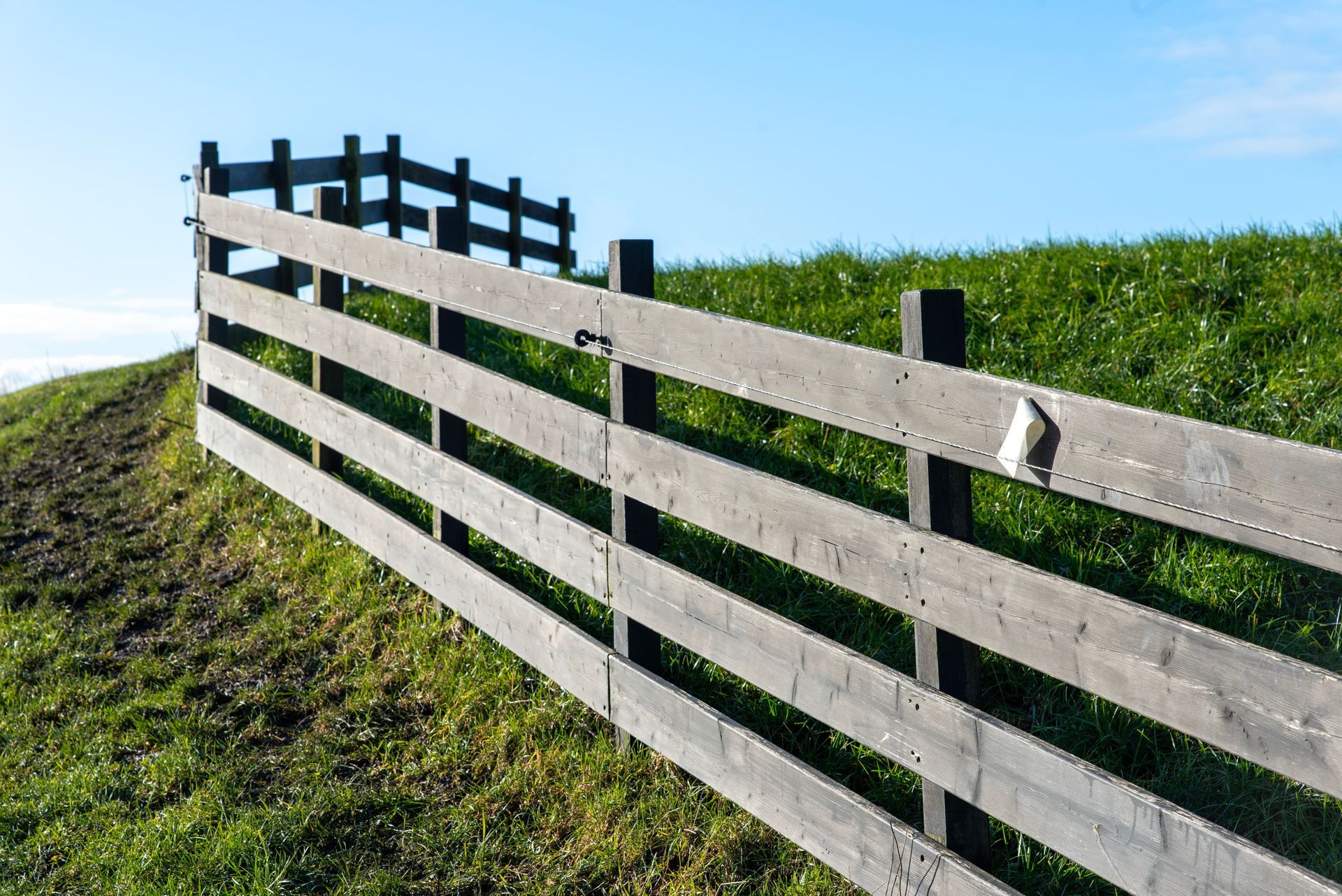
Post and rail is the look most people picture on a rural block, and for good reason. It marks a boundary cleanly, suits horses well, and lends a property that established, well-kept appearance. It is more about containment of larger stock and visual definition than keeping small animals in.
Post and rail tends to suit owners who want:
- a strong, visible boundary that frames the property.
- safe containment for horses and cattle without wire injury risk.
- timber that ages into the landscape rather than standing out.
It is a classic choice where appearance matters as much as function.
Plain & Woven Wire Fencing: Containing Poultry & Livestock
Wire fencing is the workhorse of the small acreage, flexible enough to handle everything from chickens to cattle. Plain wire suits general stock containment, while woven or mesh wire closes the gaps that poultry and smaller animals would otherwise slip through. It is affordable, adaptable and quick to repair.
Wire fencing earns its place because it can:
- contain poultry and small livestock when a woven mesh is used.
- hold larger stock with plain or barbed strands run at height.
- be patched or extended cheaply as your needs change.
For most hobby farms, wire does the bulk of the everyday work.
Electric Fencing for Horses & Larger Stock
Electric fencing adds a psychological barrier that stock quickly learn to respect. A single hot wire can reinforce an existing fence or form a temporary paddock division, making it a favourite for rotational grazing. It is efficient, movable and gentle on animals that learn to keep their distance. Among the essential rural supplies for small property owners, a basic energiser and a roll of wire go a long way.
Electric fencing works well for owners who want:
- flexible paddock divisions that can shift with the seasons.
- a deterrent that stops horses and cattle leaning on permanent fences.
- a cost-effective way to fence larger areas quickly.
Paired with a solid perimeter, it gives you real control over how stock move.
Do I Need Council Approval for a Fence in Queensland?
Most rural fences are straightforward, but it pays to check before you dig a single post hole. As general guidance, fences under two metres in Queensland usually do not need building approval, though this is not a blanket rule. Bushfire overlay zones, acoustic requirements and boundary disputes can all change the picture, so confirming with your local council is the safe move.
Before you build, it is worth checking:
- whether your block sits within a bushfire or other planning overlay.
- if any acoustic or height rules apply to your particular boundary.
- how shared boundary fences are handled with neighbours under local rules.
A quick call to the council early saves headaches once the fence is up.
What Fencing Do I Need for a Small Acreage Property?
Most small blocks end up using a mix rather than a single fence type, since different zones do different jobs. A sturdy perimeter, internal paddock divisions and a secure yard for smaller animals often work together. Thinking in zones rather than one continuous line makes the whole job easier to plan and budget.
A typical acreage setup might combine:
- a solid post and rail or wire perimeter to mark and secure the boundary.
- woven wire enclosures for poultry, gardens or smaller livestock.
- electric divisions inside to rotate horses or cattle between paddocks.
Planning the property as a set of zones helps you buy only what each area needs.
Getting the Right Fencing Supplies in Beerwah
Buying local means more than convenience. A supplier who knows the hinterland can point you toward the posts, wire, strainers and fittings that suit the local soil and climate, and help you avoid over-buying. Sourcing your hardware in Beerwah also means less time driving and more time building. Alongside fencing, having stock feed, garden and irrigation supplies under one roof keeps the whole property ticking over.
Sorting your supplies locally gives you:
- advice from people who understand small acreage blocks in the region.
- the right components matched to your fence type and ground conditions.
- everything for the job gathered in one trip rather than several.
Getting the materials right from the start makes the build quicker and the result longer-lasting.
Come & Talk to Us About Your Fence
Every block is different, and the best fence is the one planned around your land, your stock and your budget. We at Beerwah Co-op (Coochin Creek) have spent years helping small acreage owners across Beerwah, Coochin Creek and the Glasshouse Mountains hinterland choose fencing that stands up to local conditions. If you are planning a new fence or patching up an old one, contact our team, and we will help you get the Beerwah rural supplies you need for the job.